
Where History, Nature, and Community Come Together
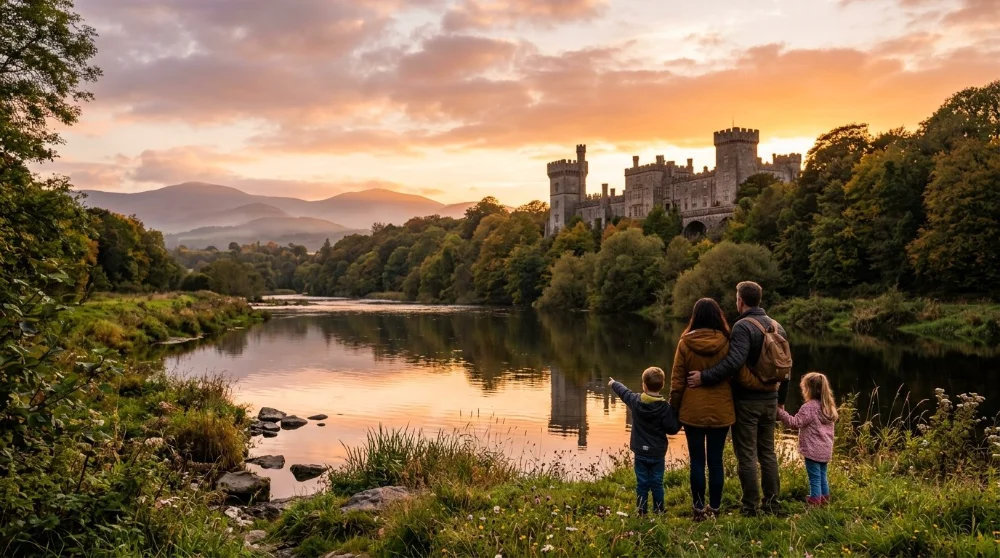
There is a certain kind of magic that happens when you bring a family to a place like Lismore. The town sits at the foot of the Knockmealdown Mountains, looking out over the River Blackwater. The castle rises above the trees. The streets are quiet and the people are friendly. It is the kind of place where children can run and explore, where parents can relax, and where everyone finds something to enjoy.
Lismore has been welcoming visitors for a very long time. The first people who came here were pilgrims and scholars, drawn by the reputation of St Carthage’s monastery. They came to learn, to pray, and to find peace. Today, the town still welcomes visitors, but now they come for different reasons. They come for the walks, the history, the art, and the simple pleasure of being in a beautiful place.
A Town That Lives and Breathes

What makes Lismore special for families is not just what you can see, but what you can feel. The town has a pulse. It is alive with activity, with people who care about their community and take pride in sharing it with others.
On any given day, you might hear the crack of a hurley from the GAA pitch, the cheers from a football match, or the polite applause from a cricket game. It is a remarkable sight, and one that caught the attention of GAA President Jarlath Burns when he visited Lismore Castle for the launch of a history of the local club. He looked around and said something that surprised him. “You could be standing watching a hurling match, behind you there is a soccer match and to the right is a cricket match. I never thought I would see that in Waterford”.
This is not something you see everywhere. In most Irish towns, one sport dominates. But in Lismore, they have found a way to share the fields. The GAA club has won county senior hurling championships three times – in 1925, 1991, and 1993. They have plans for a fully floodlit main pitch, a biodiversity walkway, and additional dressing rooms. The community supports these plans because they understand what the club means to the town.
Walks That Welcome Everyone
For families who prefer a slower pace, Lismore offers walks that are as gentle as they are beautiful. The Lady Louisa Walk is a woodland trail that follows the riverbank. It is named after Lady Louisa Cavendish, the daughter of the 7th Duke of Devonshire, whose family has owned Lismore Castle since 1753. The walk is just 2 kilometres long and takes about 30 minutes at a comfortable pace. It is easy enough for young children and grandparents alike.
The path begins on the town side of Lismore Bridge, through black cast iron gates. From there, it winds along the river, shaded by beech and ash trees. In spring, the ground is carpeted with wild garlic and wood sorrel. In summer, the ferns are tall and green. In autumn, the leaves turn gold and bronze. Every season brings something new.
Along the way, you pass the Spout, a natural spring that provided water for the estate workers until the early 1800s. Locals still use it today. As you walk, look back towards the castle. The view is one of the best in Ireland. The castle rises above the river, its turrets catching the light. It is a scene that has been painted and photographed countless times, but it never gets old.
For those who want to go further, the Riverside Walk extends the journey to about 5 kilometres. This path takes you past Round Hill, the site where St Carthage founded his first settlement in the 7th century. Legend has it that an old woman told Carthage he would be the founder of a ‘Lios Mor’ – a great fort. From that small beginning grew a town that became a university city, attracting scholars from across Europe. The walk is home to herons, swans, mallards, and kingfishers. Children love spotting the birds.
History That Comes to Life
For families who enjoy a bit of learning with their adventure, the Lismore Heritage Centre is a must. The centre is housed in the old courthouse building on West Street. It has been beautifully restored and now offers interactive exhibitions that bring the town’s history to life.
One of the most popular attractions is the virtual reality tour of Lismore Castle. The castle itself is a private residence, closed to the public. But through the magic of VR, visitors can step inside. They can walk through the rooms, see the Pugin Room, and hear the stories of the famous people who have stayed there – Fred Astaire, John F. Kennedy, and others. It is an experience that delights children and adults alike.
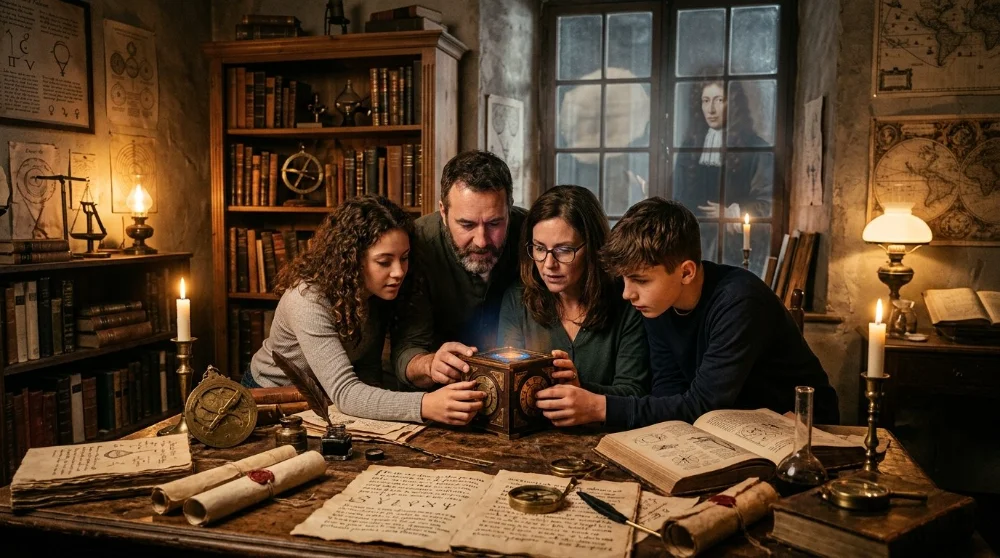
For families with older children, the Robert Boyle Escape Room offers a different kind of challenge. Named after Lismore’s most famous scientist, born in the castle in 1627, the escape room puts players in the role of Boyle’s assistants. They have sixty minutes to find his secret alchemy box before a fraud named Vincenzo Falcone arrives to steal it. The room is suitable for ages fifteen and up, and teams of two to six people can take part. It is a test of wits and teamwork, and it is great fun.
Younger children are not forgotten. The Heritage Centre runs a STEAM Summer Camp, with hands-on activities in science, technology, engineering, and maths. There are also school tour programmes and family fun packs – treasure hunt style trails that lead children on a self-guided tour of the town.
A Tradition of Gathering
In Lismore, community is not just a word. It is something you can see and feel. The local pubs are places where families gather, where stories are told, and where the day’s events are discussed over a quiet drink. It is a tradition that goes back generations.
On a summer evening, you might find a group of parents sitting outside a pub, watching their children play in the street. The conversation might turn to the GAA match, or the cricket game, or the plans for the next community event. There is no rush, no pressure. Just the simple pleasure of being together.
This is the kind of place where a family can make a bet on a memorable holiday. Not a bet on a game, but a bet on an experience. Put your money on the idea that your children will remember these days for the rest of their lives. Lismore will not let you down.
Art and Gardens
For families who appreciate beauty, the castle gardens are a treasure. They are open to the public from mid-March. The gardens were designed by Sir Joseph Paxton, the same man who designed the Crystal Palace in London. They are filled with exotic plants – magnolias from the Himalayas, rhododendrons, camelias. There are seven acres of ornamental borders and productive areas, with vegetables, herbs, and fruit grown for the castle kitchen.
The gardens also contain pieces of contemporary sculpture, installed on permanent display. Children love discovering these unexpected artworks around corners and behind hedges. It adds an element of surprise to the visit.
Making Memories
Lismore is a town that rewards exploration. Whether you choose to walk along the river, explore the castle gardens, or test your wits in the escape room, you will find something to remember.
The town has been welcoming visitors for over 1,300 years. The first visitors came to study with the monks. Then came the pilgrims, the scholars, the artists, and the travellers. Now come the families. And they keep coming back.
There is something about this place that stays with you. Maybe it is the light on the river, or the view of the castle, or the kindness of the people. Maybe it is the feeling that you have stepped into a story that is still being written.
For a family looking for a break from screens and schedules, from the rush and the noise, Lismore offers something different. It offers time. Time to walk, to talk, to explore, to discover. It offers a chance to slow down and appreciate the simple things.
And in the end, that is the best kind of holiday. Not the one with the most attractions or the biggest thrills, but the one that leaves you feeling rested and connected. The one where the children come home with mud on their boots and stories to tell. The one where the parents come home with photographs and memories.
Lismore is that kind of place. It has been waiting for you for a very long time.